
Understand the property before committing capital.
Laudem Group looks at the environmental and social questions that matter to a property, together with the way it is managed. We establish which issues need attention and what they mean for the investment.
That work defines the scope of the proposal. We then agree the financing and delivery arrangements around the improvements being made.

What We Assess

Environmental Priorities
We examine energy and water use, together with the materials required and waste produced. We also consider emissions and how weather-related risks could affect the property.
Priorities depend on what we find. A system using excessive resources calls for a different response from a site exposed to flooding or overheating.
People and the Use of Space
We consider health and safety alongside accessibility. We also ask how the proposed work affects the people who use the building and those living or working nearby.
The owner's knowledge and input from users help us identify specific needs. The cost of using and operating the space is part of that discussion.
Management and Accountability
We establish who approves decisions and who checks the work. We also identify the requirements a project must meet and how the owner holds delivery partners to their commitments.
Before committing capital, we agree what information is needed to track progress. The project arrangements identify who keeps those records and who receives them.
From Assessment to Operation
-
Understand the Starting Point
We start with the property's condition and the records available. We also discuss how it is used and what its owner wants the investment to achieve.
Together, these give us a starting point for the proposal. We identify what still needs to be checked and where specialist advice is required.
-
Set the Scope
Specialists assess the measures suited to the property. Their findings help define the work and what is needed to carry it out.
Laudem Group weighs the expected results against the cost of delivery and ongoing care. The funding decision takes account of the financial case and the ESG issues identified.
-
Agree the Terms
Before a project proceeds, we agree the capital provided and what each party is responsible for. The agreement sets out how progress is reported and how significant changes are handled.
For shared-savings projects, the terms also define how financial savings are calculated and divided. Any surplus electricity revenue is addressed separately.
-
Deliver and Monitor
Work begins once the scope is agreed and the necessary approvals are in place. We then track the results against the starting point recorded for the project.
We look at what those results mean for the property and its users. Where something falls short of expectations, we discuss the findings and the next steps with the people responsible.
Shared-Savings Finance for Energy Improvements
For suitable energy projects, Laudem Group funds an agreed package of upgrades without requiring upfront investment from owners or communities. We receive a contracted share of the financial savings generated, with payments calculated against an agreed baseline.
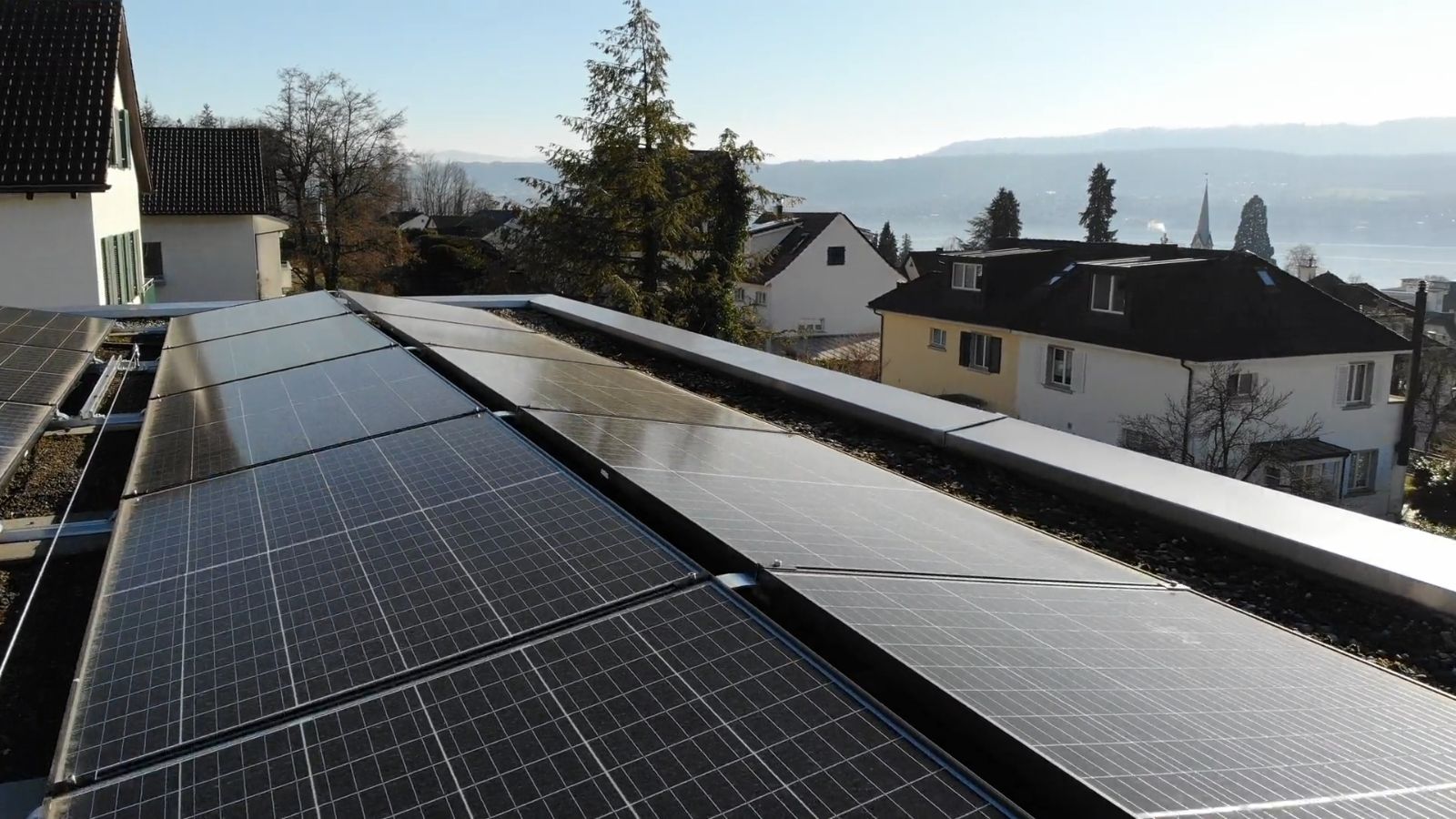
The package can include window and thermal improvements that reduce heating or cooling demand. We also finance solar panel installations suited to the property, subject to the necessary permissions.
Where The Revenue Comes From
| Revenue stream | How it works |
|---|---|
| Share of energy-cost savings | The project receives an agreed portion of the financial savings attributed to the improvements. |
| Surplus electricity sales | Where permitted and commercially viable, the project earns income from renewable electricity exported for sale. |
The split between these streams depends on the property and the installed systems. Shared-savings finance covers the agreed energy package, with the cost and funding of other work considered separately.
Testing the Investment Case
Laudem Group tests the assumptions behind the expected returns before committing capital. We look at how changes in the property's operation and ongoing costs affect the financial case.
- Property risks
- We consider the cost of addressing significant environmental or social issues. The work must also account for the requirements that apply to the property.
- Ongoing costs
- Maintenance and replacement needs belong in the budget from the outset. We establish who pays for them over the investment period.
- Evidence
- We check what the forecasts are based on. Gaps in the information need to be understood before they become investment assumptions.
For shared-savings projects, this includes testing energy-price assumptions and expected consumption. The terms address how changes in occupation or operating conditions affect the calculation.
The Agreement Needs to Answer the Practical Questions
- Delivery
- Who is responsible for completing the work and meeting the agreed requirements?
- Reporting
- Which results are tracked, and who checks the supporting information?
- Costs
- Who pays for maintenance and any work outside the funded scope?
- Performance risk
- What happens when results differ from the investment assumptions?
- End of term
- What responsibilities remain when the agreement ends?
We settle these terms before either party commits to a project. The owner can then understand the costs and responsibilities over the full term of the agreement.